SIDEWALK TALK - May 2026 - Newsletter
Willistown Circulation Study: Update!
As you may be aware, Willistown has engaged Bowman Engineering to perform a Circulation Study for the township. The study will focus on connecting pedestrians, equestrians, and cyclists to destinations and resources.
An interactive map was published for public input on 1. preferred routes, 2. safety concerns, 3. improvement ideas, and 4. destinations. Over XX people made inputs to the map-thank you!
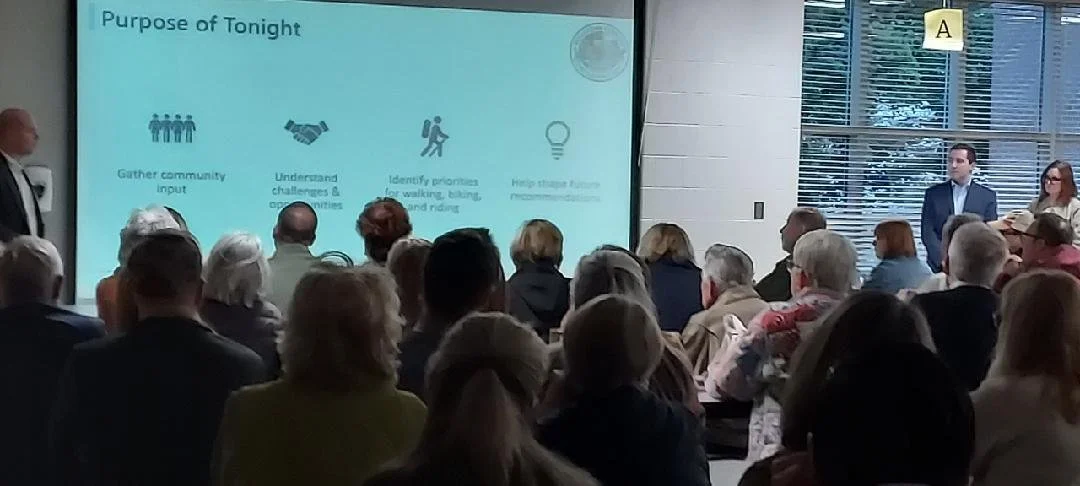
Additionally, two ‘workshops’ were held to allow public input, and over 150 people attended and provided comments. Thank you!
Importantly, Township staff and elected officials heard and saw the very high level of interest in providing safe walking and biking in the Township. Your continued support for these efforts will assure that the results of the study are implemented!
This Month: Eminent Domain and Easements
Eminent domain is the power of the federal or a state government to take private property and convert it to a public use. It’s balanced by a fundamental right enshrined in the U.S. Constitution: the government cannot take your property without paying for it fairly. Although available this power is rarely used.
Easements are legal rights that allow someone to use another person's property for a specific and defined purpose. They can come in various forms, and some common examples include:
1. Utility Easements: These grant utility companies the right to access and maintain utility lines, such as water, gas, or electrical, that run through your property.
2. Access Easements: Access easements allow individuals to pass through another person's land to reach their own property or a public road. This is particularly relevant in situations where a property is landlocked, meaning it has no direct access to a public road.
3. Conservation Easements: These are often used to protect natural areas and restrict certain types of development or land use.
A right-of-way is a specific type of easement that pertains to transportation and road access. It designates a legally established path or corridor for public or private transportation.
Understanding easements and rights-of-way is crucial for property owners, as they can have various implications:
1. Access Rights: Property owners must be aware of any existing easements on their land that grant others access
2. Maintenance Responsibilities: In cases where utility easements, sidewalks, or shared driveway easements exist, property owners may have maintenance responsibilities.
3. Development Limitations: Easements and rights-of-way___0 can restrict certain types of development on a property, particularly conservation easements or zoning regulations.
Easements and Right of Way are typically shown on a property deed and plot plan. Do you have an easement or right of way?